AT A GLANCE
The Bintuni Bay Blue Carbon Project is a first-of-its-kind initiative by Revalue and the team behind Katingan.
Bintuni Bay is built on Revalue's Model V and Model N.
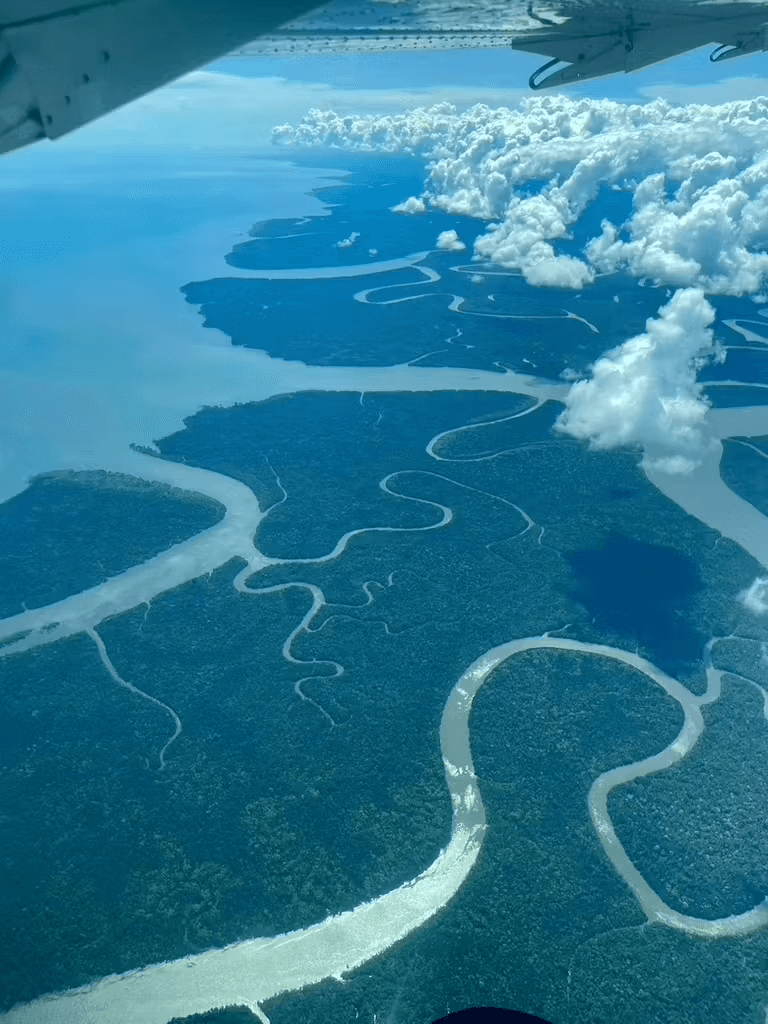
The project protects and supports the regeneration of a mangrove ecosystem that's larger than New York City.
In parallel, the project is pioneering the world’s first Natural Air Capture & Storage (NACS) credits—selective thinning plus durable biomass storage that values natural ecosystems.
This creates a dual stream of high-quality removals today and next-generation durable credits for tomorrow.
82,000
Hectares
Q2 2026
Expected issuance
320,000
Est. credit volume
PARTNERSHIP
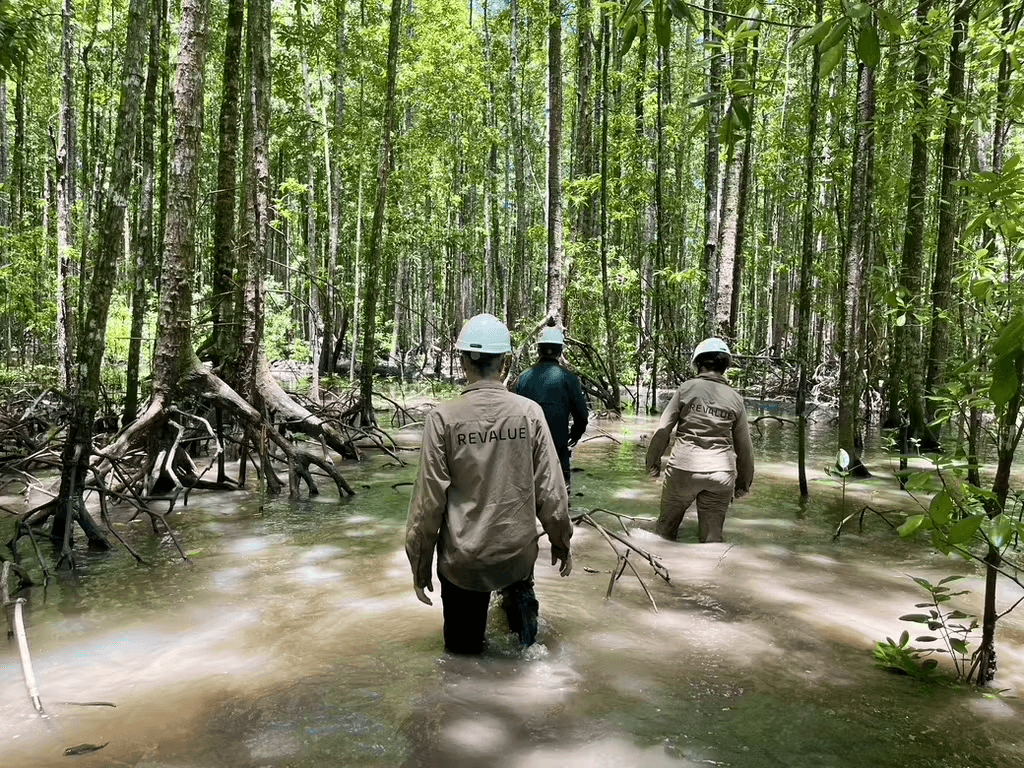
With over 30 years of experience in mangrove conservation, the team brings deep local expertise and a proven track record of delivering large-scale projects.
The developer’s scientific research team collaborates with leading regional universities, contributing to extensive research and data on mangrove ecosystems, including over 12 peer-reviewed papers.
CREDIT APPROACH
The Bintuni Bay Blue Carbon Project is built on Revalue's Model V and Model N.
The project will be certified under Isometric’s new IFM protocol, which was submitted for consultation in September 2025.
Isometric is CCP-eligible and has developed methodologies that are CCP-approved. This protocol has been developed to meet the CCPs and is positioned for approval.
This project is one of a handful of timber concessions operating in a mangrove ecosystem on the planet. This uniqueness requires a methodology specifically tailored to this project. Revalue is one of the few developers selected by Isometric to collaborate on a custom module under their methodology.
BEYOND CARBON
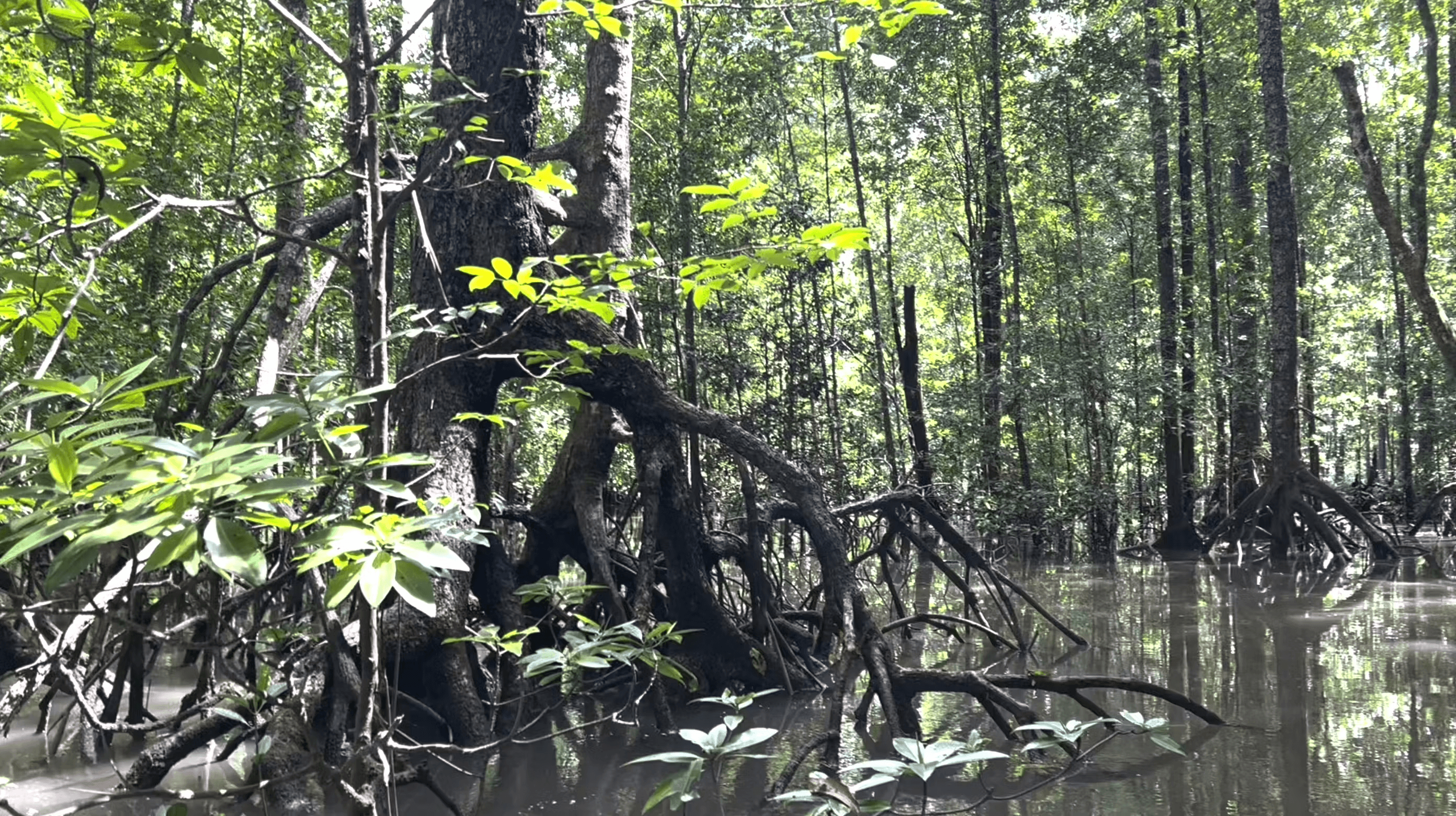
The project protects the world’s 3rd-largest contiguous mangrove ecosystem spanning 260,000 hectares. Mangroves store 3-5x more carbon than tropical rainforests, making this one of the most impactful natural climate solutions on the planet.
What sets Bintuni Bay apart is the combination of scientific rigour and breakthrough innovation. The landscape is underpinned by more than 10 peer-reviewed studies.
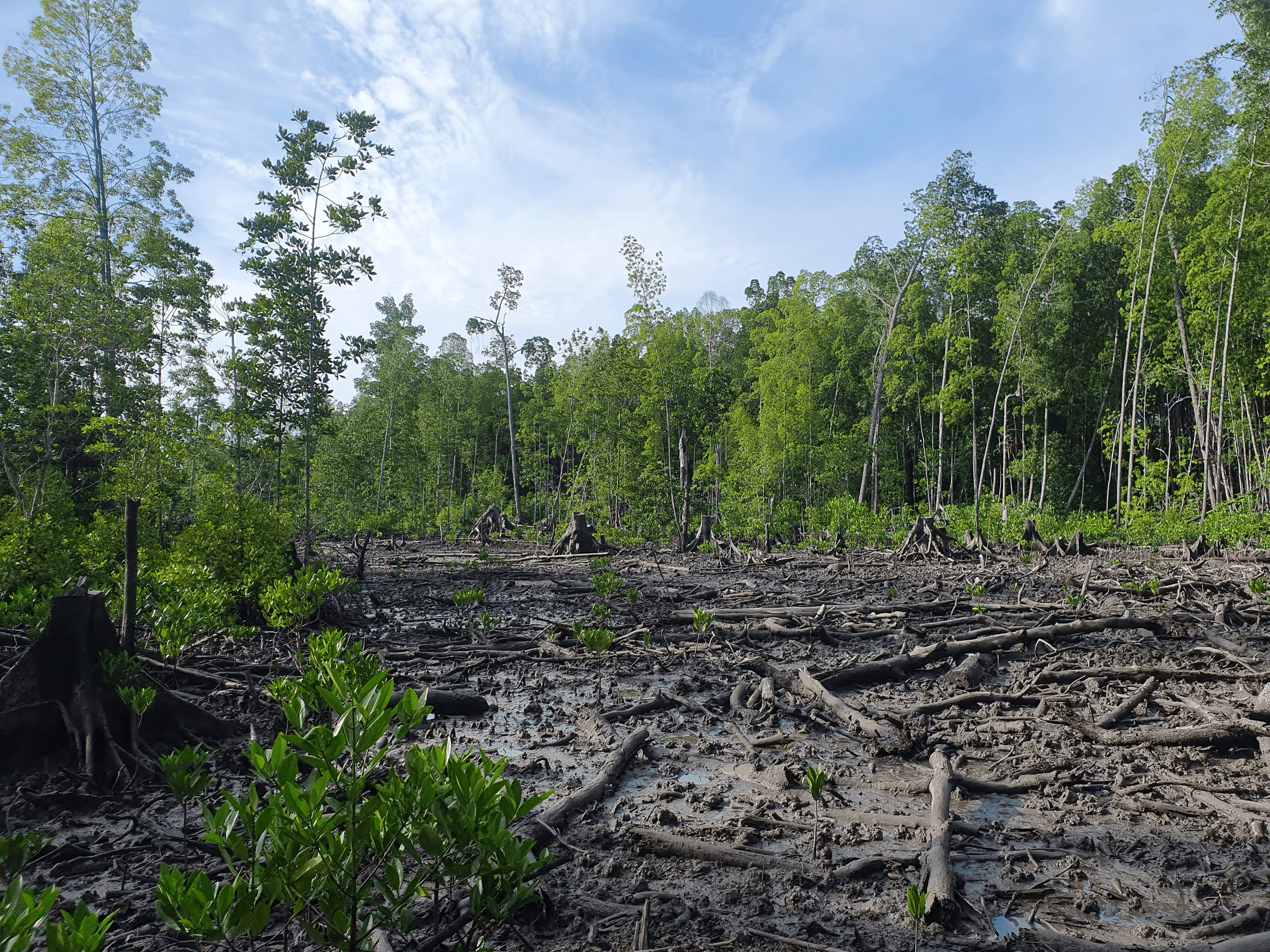
Unlike most IFM projects, which modify existing harvest practices, Bintuni Bay represents a complete transition from extraction, restoring the ecosystem to its full ecological function.
The project is pioneering the world’s first Natural Air Capture & Storage (NACS) credits. A pilot is underway that involves selective thinning plus durable biomass storage in partnership with the Carbon Containment Lab, a spinout from Yale University.
Beyond carbon, Bintuni Bay is a critical biodiversity hotspot, home to 40+ threatened species, including hornbills, cockatoos, kingfishers, and migratory raptors like the Chinese Crested Eagle and Eastern Marsh Harrier.
Each hectare protected is a biodiversity stronghold. The intact mangrove mosaic hosts 28 true mangrove species, serves as a nursery for sharks, rays, and dolphins, and anchors migratory bird flyways. By securing this ecosystem, the project safeguards local livelihoods and ecological resilience.