AT A GLANCE
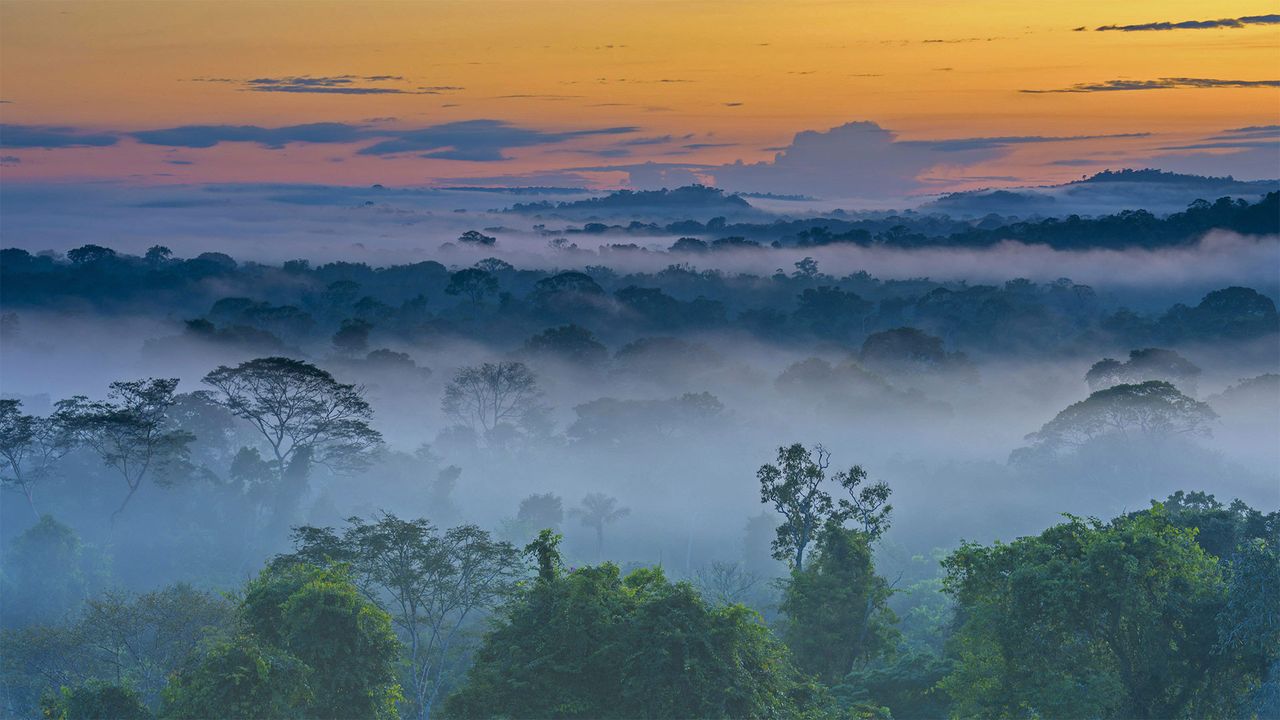
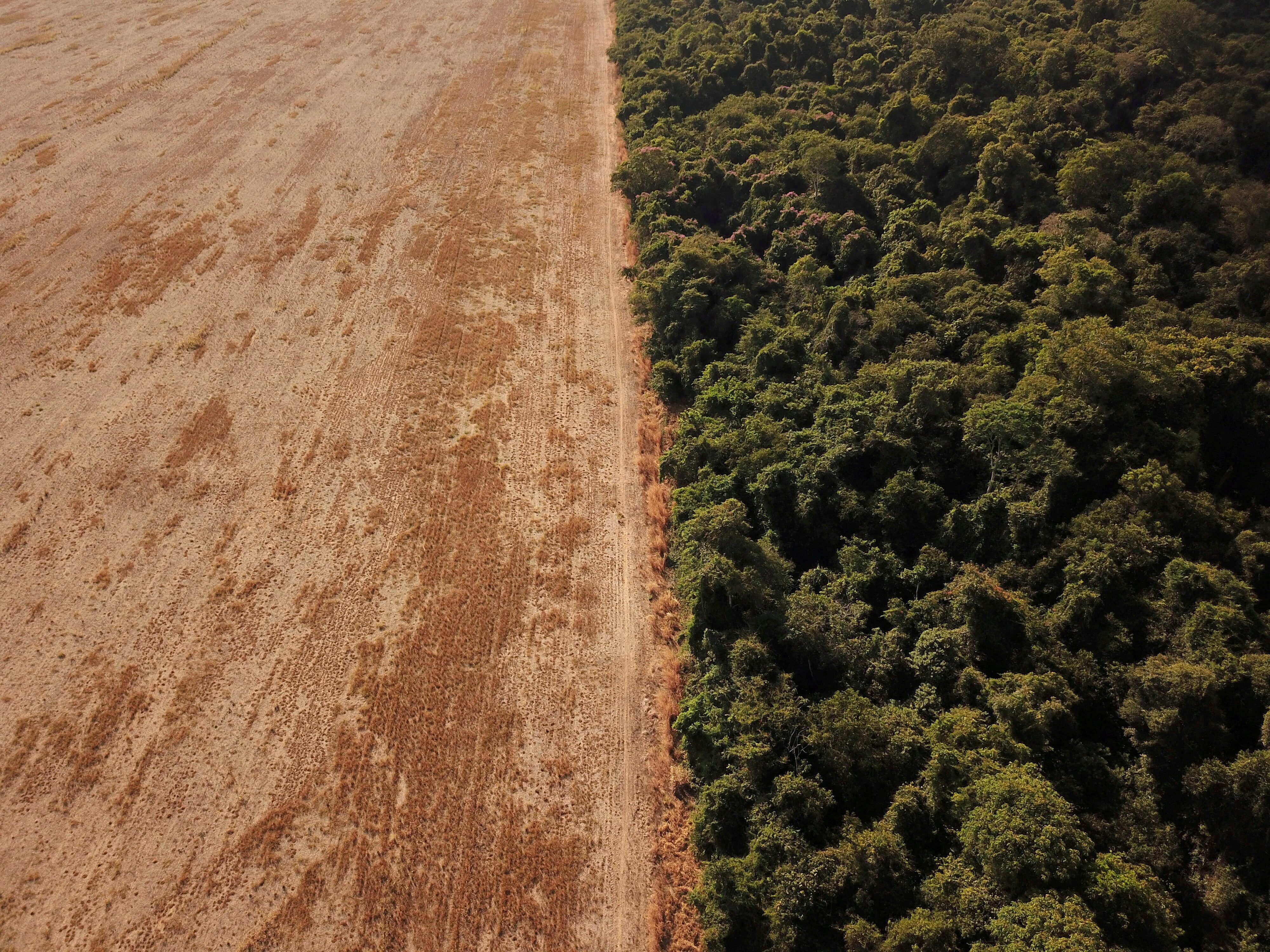
The Harpia Project is in Brazil’s Arc of Deforestation. This highly-threatened, biodiverse Amazon rainforest faces deforestation threats from timber, cattle and agricultural production.
Harpia credits will be designed under Revalue's approach Model R — the best-rated avoidance approach by Sylvera. The credit design includes scientifically rigorous dynamic baseline checks, and LiDAR for more accurate biomass measurements.
The project is part of a portfolio-level collaboration between Revalue and a leading Brazilian developer. Revalue has partnered with the developer to assess, prioritise and accelerate the portfolio.
13,000
Hectares
Q2 2026
Expected issuance
200,000
Est. credit volume
PARTNERSHIP
The project is a collaboration between Revalue and Future Climate, a leading Brazil developer, combining cutting-edge science with a proven track record.
Future Climate has:
Three active avoidance projects in Brazil, including a flagship project in the Amazonas state.
Deep expertise across nature-based project development and engineered removals.
Won an award for its innovation in environmental conservation and sustainable development.
CREDIT APPROACH
Harpia will be built on Revalue’s avoidance approach Model R.
Model R was rated top avoidance approach by Sylvera with the lowest risk score of 2/10 - on par with removals methodologies.
In Harpia, Revalue starts from Verra's VM0048 (CCP-approved) then builds additional features on top.
Models R takes existing standards as the starting line, not the finish line, ensuring the project’s credits are scientifically-rigorous and future-proof.
Scientifically rigorous dynamic baseline checks.
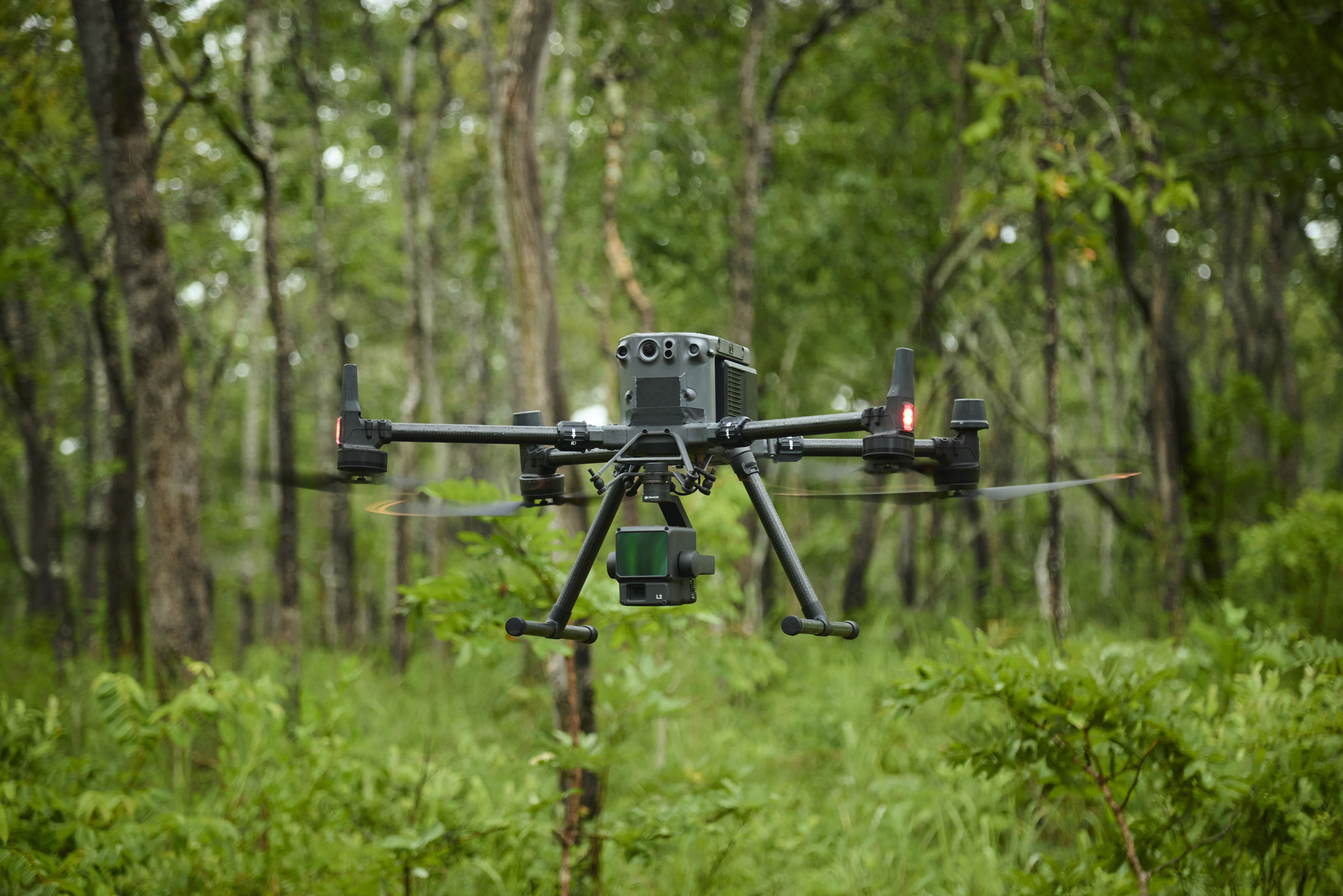
LiDAR for more accurate biomass measurements.
Advanced biodiversity baselining and monitoring using approaches such as eDNA and bioacoustics.
BEYOND CARBON
Illegal encroachment poses a significant threat to the project area, driven primarily by logging and the expansion of pastureland for cattle ranching. As market demand for timber and beef grows, so do incentives for local communities to participate in these activities. This project will deploy professional development programmes alongside robust surveillance — combining satellite monitoring, on-the-ground management, and targeted training and capacity building — to deter the agents of deforestation.
The project channels a revenue share from carbon credit sales directly to local communities, ensuring communities get upside when carbon credit prices grow.
On the biodiversity front, the project:
Establishes an important biological corridor connecting several national parks.
Protects Harpy Eagles, Black-Throated Brood, and the Giant Anteater.